Moving to the Bahamas? Which Island: The Exumas vs Harbour Island vs Nassau
by Mariah Moyle, 9 January 2026
Years ago, I wrote an article for the website Women Who Live on Rocks comparing the three island regions that I’ve lived on in the Bahamas. That piece took more of a humorous approach to island life. You can read the original Comparing Island Life article here. This updated comparison reflects years of additional island living and is written specifically for those considering relocation to the Bahamas.
When I was growing up in the Pacific Northwest, I often dreamed of palm trees and white sandy beaches, even though my experience with tropical locales was completely nonexistent. The pull toward warm weather followed me into adulthood. After university, I moved to the mountains and lived what many would consider a charmed life: skiing in the winters, hiking in the summers. And yet, something gnawed at me. The desire for salt water, boats, and beaches was relentless.
In 2008, after years of planning, I strategically relocated to Charleston, South Carolina as a jumping-off point to sail toward the Caribbean. I cast the docklines of my 32-foot sailboat and headed south, bound for the U.S. Virgin Islands.
Unexpectedly, the Bahamas got in the way of that epic journey. I paused on the remote island of Norman’s Cay, and it was there that I received unexpected and devastating news from my family. I dropped everything and returned home to the Pacific Northwest. In my mini-memoir and healing guide, A Survivor’s Guide to Paradise, I share the full story of sailing to the Bahamas and everything that unfolded after my arrival.
My first experience with island living took place in the remote Exumas, where I lived for approximately two and a half years on two different islands. I later moved to Harbour Island, where I lived for six years total, over two separate stints. Nassau has always served as a home base throughout the vagrancy of various Out Island projects, and since 2021, I’ve lived full-time on the island of New Providence.
I often joke that I’ve been slowly “upgrading” my level of comfort and convenience. I grew up in the country on five acres in Washington State, where it took twenty minutes to get anywhere and solitude was the norm. Because of that upbringing, moving to a remote island initially wasn’t difficult. It felt exotic and exciting. Over time, however, I began to crave connection and convenience. The vast emptiness that I once coveted started to feel lonely.
While I still miss the beauty of the Out Islands—the ability to let the dogs run freely along untouched beaches with no one else for miles—I also appreciate what I’ve built in New Providence.
Because I’ve lived in each of these three island regions, I’m able to offer a firsthand perspective for those trying to decide where to live in the Bahamas. There are, of course, many other wonderful islands to choose from, but the Exumas, Harbour Island, and Nassau tend to be among the most popular options for both visitors and those considering relocation.
So sit back, relax, and enjoy this island-hopping comparison. And of course, feel free to share your own experiences or ask questions in the comments.
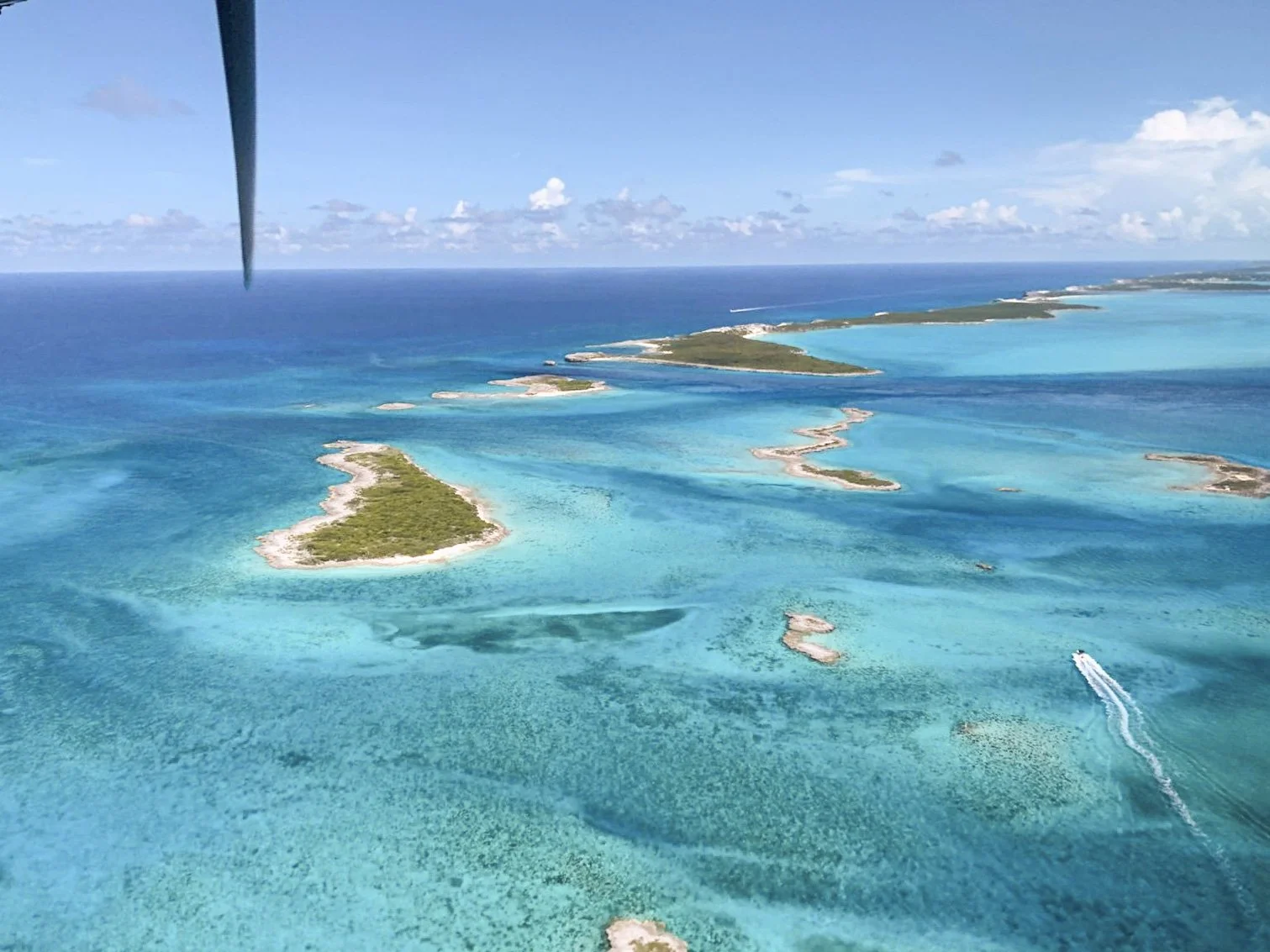
The Exumas: Remote and Unspoiled
For those craving solitude and awe-inspiring natural beauty
My first home in the Bahamas was the remote island of Norman’s Cay. Stories and lore still whisper through the lonely sounds of the casurina trees. Relics of the drug-running days could still be found tucked away in the bush. The old yacht club sat in ruins on the hill overlooking the cut, a reminder of the days of wilder times. Below, the cut itself held a crashed DC-3, now a popular snorkel site and a living artifact of the island’s shady past.
It was love at first sight. I was drawn to the absolute remoteness, and the knowledge that the likelihood of running into anyone was slim to none. The worn runway, the dirt pothole-ridden road, the feeling of being entirely removed from the rest of the world. I feel incredibly fortunate to have experienced that brief moment in time, before the Exumas became widely known.
The Exumas are a scattering of 365 islands, where life revolves almost entirely around the water. Transport is primarily by plane or boat. Private islands owned by the rich and famous remain carefully protected from prying eyes. An evening at the bar might include the owners of multi-million-dollar corporations, supermodels, musicians, and modern-day pirates—all coexisting in this unconventional space.
Life in the Exumas could vary dramatically depending on which island you decide to call home. On Norman’s Cay, there was a strong sense of camaraderie and community, even though everyone was widely dispersed. Nearby Highbourne Cay provided a restaurant and a small ship’s store, but everything arrived by charter flight or barge delivery. Island existence here was both complicated and simple.
Staniel Cay has gained popularity over the years and is quite a hub of activity, with several restaurants, a few small grocery stores, a full-service marina, and commercial flights from Nassau and the United States. It offers a balance between remoteness and accessibility that appeals to second homeowners looking for a taste of true island life.
Georgetown is a step above with regard to population size and available amenities. It attracts second-home owners from the U.S. and Canada, along with a seasonal influx of sailboat cruisers that gather there before setting off to islands further into the Caribbean. The Georgetown Regatta draws visitors from around the country, and there’s a Friday Fish Fry, live music, and a surprisingly well-stocked grocery store.
If you’re seeking an island life immersed in endless shades of turquoise and surrounded by fellow ocean and nature lovers, and if being in or on the water year-round feels essential, the Exumas may check all the right boxes for you.
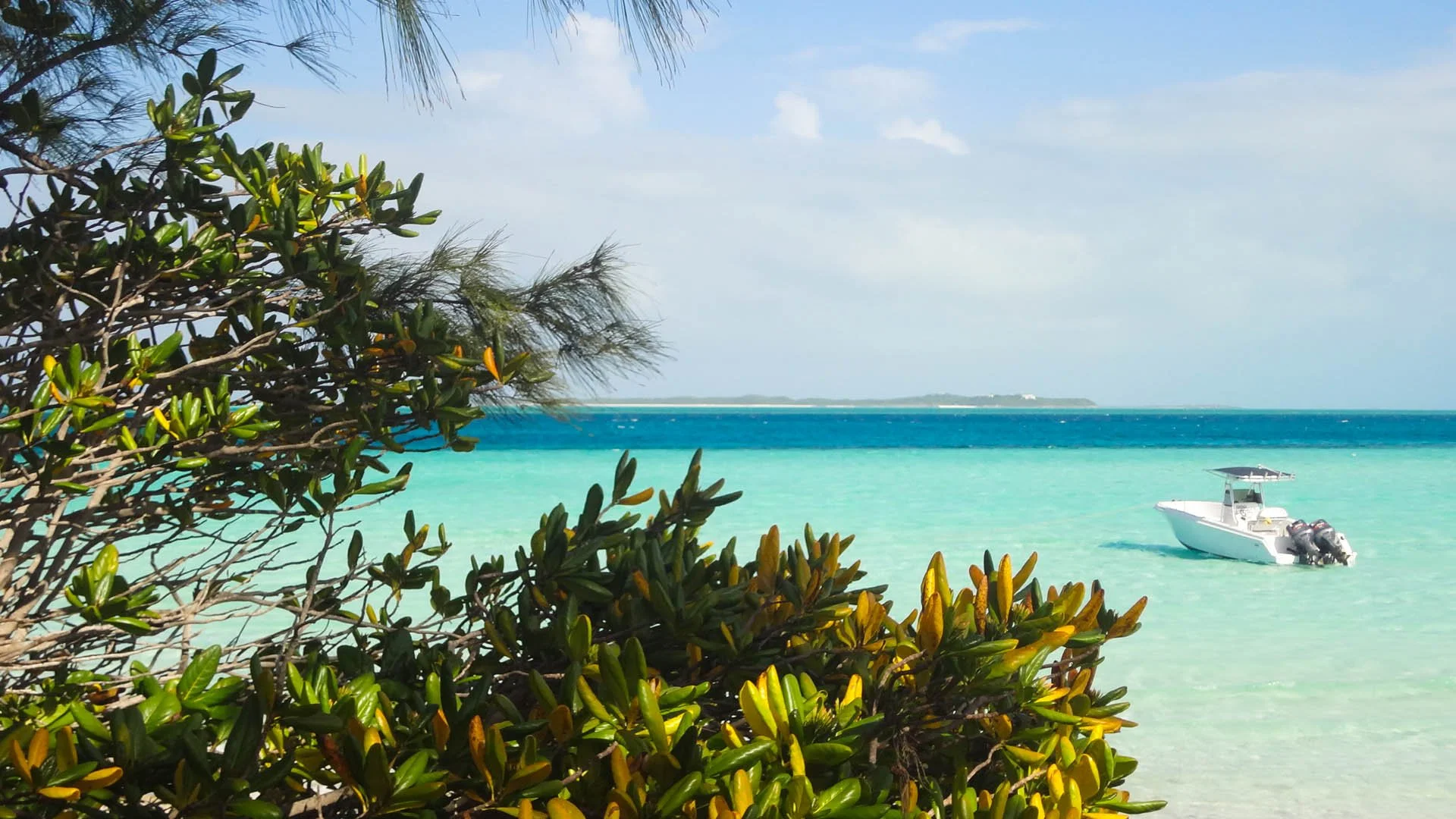
Osprey Cay, Exumas
Pros of the Exumas
Location + Escape - You’re in one of the last truly remote and stunningly beautiful places in the world, yet still only a 40-minute flight from Miami.
Endless beaches all to yourself - Imagine the most beautiful beach you’ve ever seen in your life, and then multiply that by hundreds. Long stretches of beach, sandbars, and hidden coves, often completely empty, are around every corner.
Solitude - On most islands, the only sounds you’ll hear are the occasional boat passing and the seabreeze rustling the palm fronds. Depending on where you live, you’ll be able to slip into nature and not see another person.
Cons of the Exumas
Remoteness - For all positive aspects of remote living, there are trade-offs. Getting supplies is logistically challenging, and food, labor, and materials are expensive. If you’re resourceful and comfortable doing things yourself, this lifestyle may suit you well, but it’s not for everyone.
Access - Unless you’re based in Georgetown or Staniel Cay, reaching your home may require charter flights, boats, or seaplanes. It’s common to fly into a hub island and then continue by boat, which adds time and cost, and is often weather dependent.
Limited social and cultural options - People create their own gatherings, and I’ve been to some great house parties. But there aren’t art galleries, concerts, or cultural events available on demand. Life in the Exumas is quiet and at times can feel isolated from the “real world.” Humans tend to be social creatures, and a lack of community activities is something that eventually pushes people to return to civilization.
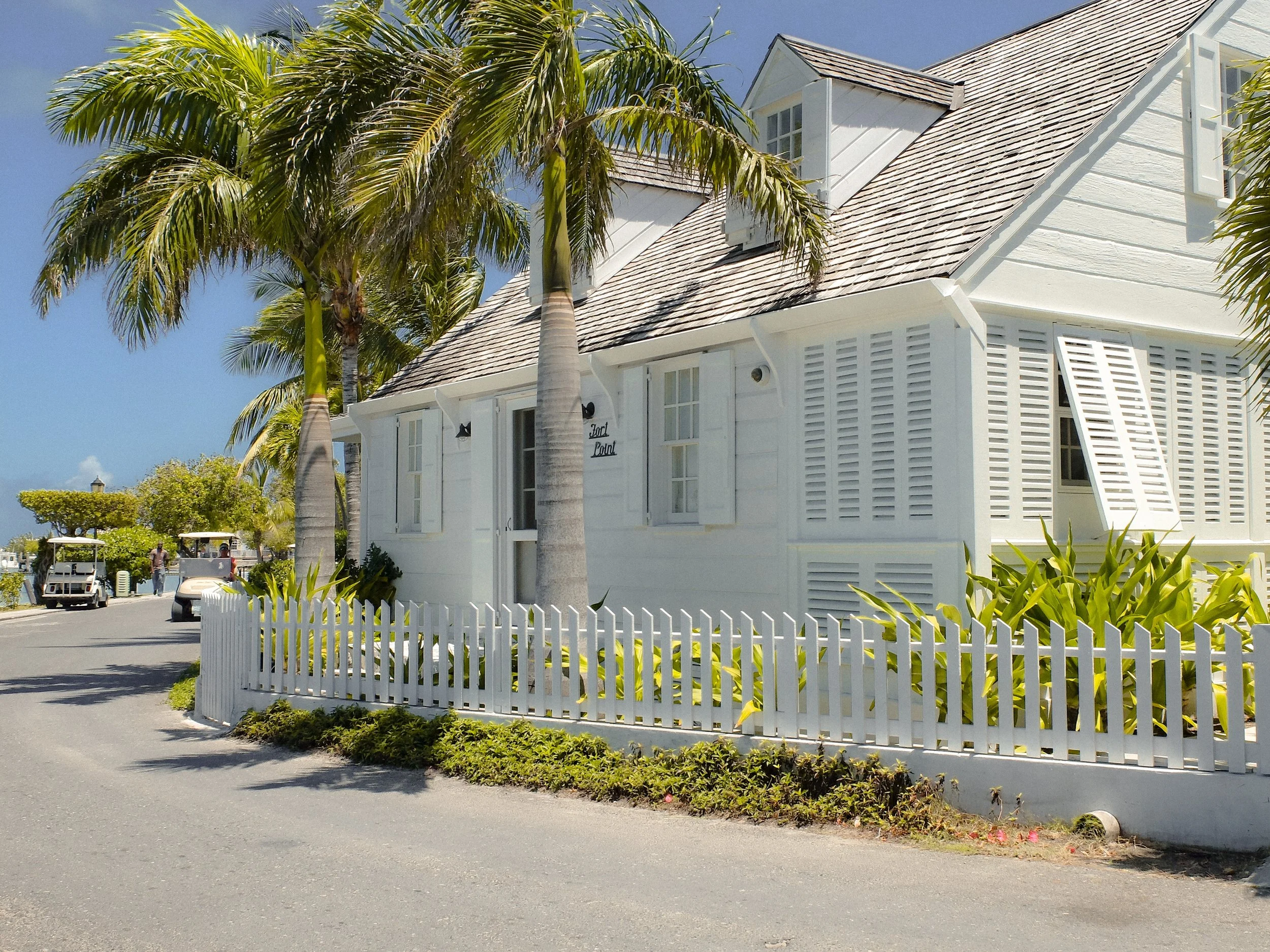
Historical cottage in Dunmore Town, Harbour Island
Harbour Island: Chic and Fabulous
For those who want charm, community, and island beauty.
Harbour Island was my next chapter in island living. In 2013, after spending two years in the Exumas, relocating to an island with a grocery store and restaurants was a welcoming change. I was immediately enamored with my new lifestyle.
My dog, Barley, had been living incognito, stowed away in secrecy, when we lived on Bell Island (technically, I wasn’t supposed to have a dog there, but I bent the rules). On Harbour Island, she could finally live out in the open again. She loved riding around in the golf cart with me, patiently waiting as I ran into the grocery store or coffee shop.
Mark was busy at the time working on several construction projects, and over the course of our years there, he was involved in numerous renovations on the island.
We quickly learned that securing a long-term rental on Harbour Island can be challenging. Over the course of our first two and a half years, we moved five times. For those considering relocating full-time, purchasing property may ultimately save you a great deal of frustration. If you plan to spend only part of your year there, short-term vacation rentals are widely available and often the more practical option.
On the island, you can find yoga classes, health food options, nightlife, international cuisine, and even a recently opened pickleball club. For me, it’s an island best enjoyed in moderation. I found that I got rock fever fairly easily and craved escapes back to “civilization.” Many second homeowners feel the same, spending a few months of the year on the island and renting their homes for the remainder. If you do invest, holiday periods, especially Christmas, New Year’s, and Easter, are peak rental times when homes command top dollar.
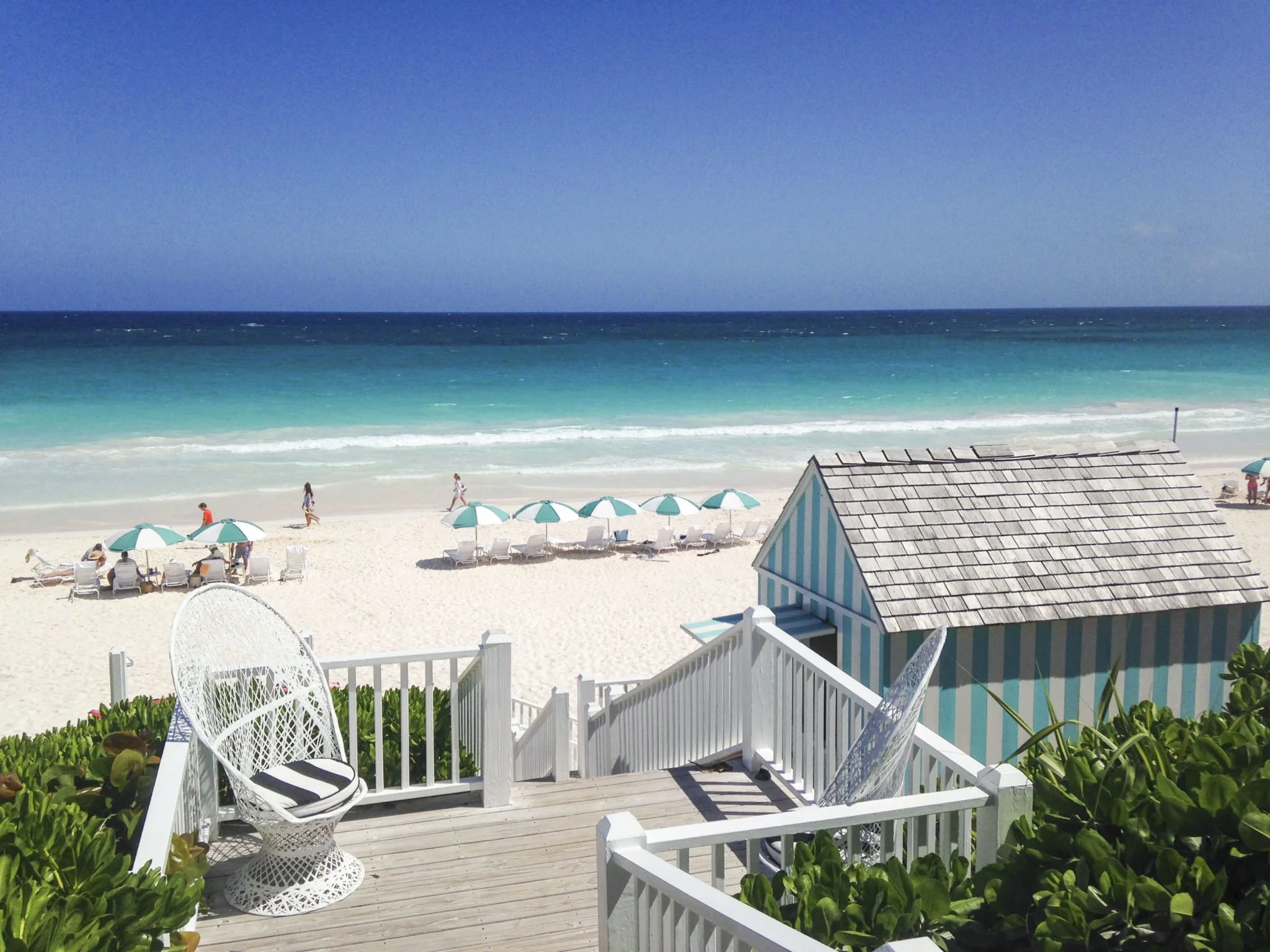
The colors of paradise at The Dunmore Beach Hotel.
Pros of Harbour Island
Architecture - Harbour Island experienced a boom after WWII, with iconic hotels like Coral Sands, Pink Sands, and The Dunmore established along Pink Sands Beach. Much of the “newer” architecture thoughtfully mimics the style of the 18th-century wooden cottages built by the island’s original boatbuilder settlers. Decor-wise, you’ll see a lot of rattan, wicker, and bamboo layered against whitewashed walls, punctuated with vibrant accent colors. I’d love the chance to peek into every restored cottage on the island, as they all feel unique, rich with character, and lovingly maintained.
Restaurants and nightlife - For an island of its size, Harbour Island offers an impressive culinary scene. Brunch at The Landing, a rosé-filled luncheon at The Dunmore, Italian dinners at Acquapazza, or sushi at Da Vine, are all part of island life. You can rub shoulders with friends at the Elbow Room for happy hour, and for those who enjoy nightlife, Daddy D’s delivers weekly karaoke and late-night (or early-morning) fun.
Grocery options (by Out Island standards) - Compared to many Out Islands, Harbour Island has relatively decent grocery options. Captain Bob’s, especially in season, offers specialty deli items for entertaining and options for gluten-free eaters. You can also connect with local growers on Eleuthera and source fresh greens during the winter months.
Access to nature - Harbour Island offers easy access to rugged beauty. Eleuthera, with its rocky shoreline and secluded beaches, is just a short water taxi ride away, and some residents keep a car over at Three Island Dock for land adventures. With a boat, even more options are available, from remote Eleuthera beaches or lunch trips to Spanish Wells. And of course, Pink Sands Beach, one of the most beautiful stretches of sand in the Bahamas, is within walking distance of nearly everywhere on Harbour Island.
Cons of Harbour Island
It’s a very small island - The most common complaint I hear is the island’s size. You’ll see the same people repeatedly throughout the day, and privacy can be limited. On Harbour Island, everyone tends to know everyone else’s business, so there’s no disappearing into the crowd.
Limited long-term rental options - Finding a long-term rental can be challenging unless you’re prepared to pay a premium. Even nearby Eleuthera has become increasingly expensive and competitive due to the volume of construction and development in the area. For many, purchasing property is ultimately the more stable option.
High cost of living - While the Out Islands in general are expensive due to import costs, Harbour Island sits at the top of the list. In a country frequently ranked among the top ten most expensive in the world, Harbour Island is one of the priciest places to live.
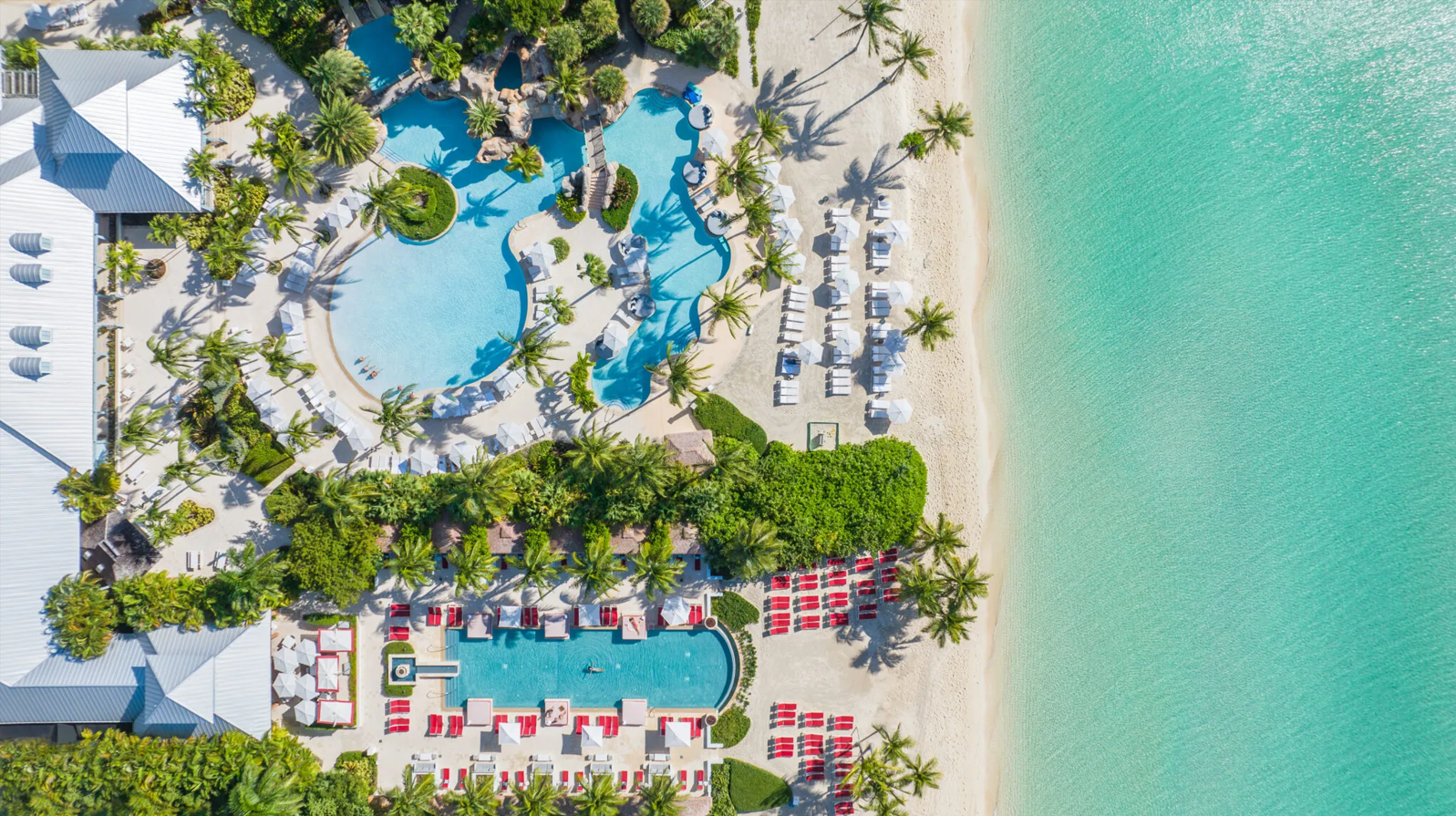
Albany club and pool. Photo Credit: Albany Bahamas
Nassau, New Providence: Big City Living
For those who want convenience, easy access, and entertainment
The island of New Providence is often simply referred to as Nassau. Technically, Nassau is the downtown area, while New Providence is the name of the island itself. I live in Western New Providence, or more specifically, the voting district of Killarney. But most people just refer to the whole island as Nassau.
For me, New Providence checks most of my boxes. That’s not to say that I don’t occasionally dream of a sweeping estate villa in the Tuscan countryside or a ski chalet in the Alps, but for everyday life, it’s an excellent place to live for most of the year. When I lived in the Exumas and Harbour Island, I had the urge to get off the rock every few months, but escaping always felt like a logistical challenge.
We had dogs, which meant either finding a house sitter or transporting them back by boat or charter plane to Nassau. Visiting my family in Seattle required flying to Nassau first, staying overnight, and then catching a flight out the following day. That extra leg added cost, complexity, and planning to every trip.
Living in Nassau offers a level of convenience that’s difficult to match elsewhere in the Bahamas. Grocery stores resemble what you’d find in the U.S. or Canada (at slightly higher prices), and access to medical services, furniture stores, and vehicle repair. You’ll also find a wide range of rental and purchase options at different price points, including numerous condo developments and gated communities.
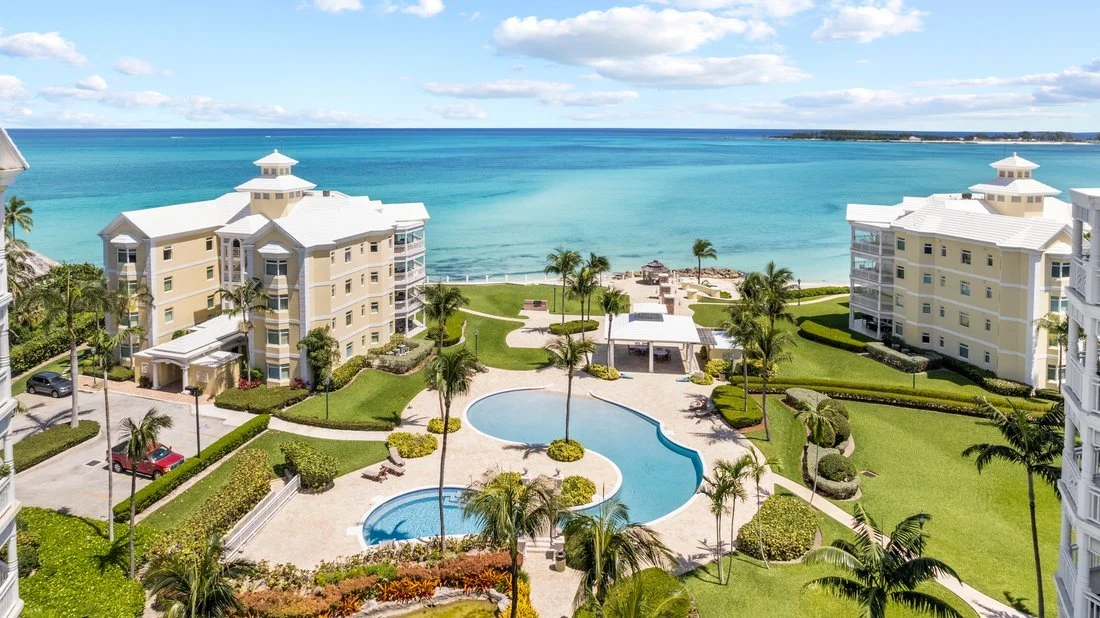
Bayroc condo community on Cable Beach. Photo Credit: James Edition
Pros of Nassau
Events and activities - New Providence offers plenty of things to do, including art exhibits, craft fairs, holiday events, and culinary festivals. For a glimpse into year-round activities, I’ve written an article on What to Do on a Rainy Day in Nassau, which gives a good sense of normal day-to-day activities to escape both the rain, and the heat.
Small-town familiarity with big-city breathing room - In Harbour Island, you tend to run into the same people multiple times per day. In the Exumas, you may not run into anyone at all. Nassau strikes a balance between the two. You can go out for drinks on a Friday afternoon and unexpectedly run into friends you haven’t seen in years. If you are craving anonymity, you can easily enjoy a quiet dinner at places like Baha Mar, where you’re less likely to see familiar faces.
Dining and grocery options - While dining out in the Bahamas is never inexpensive, Nassau is significantly more affordable than the Out Islands and offers a far greater variety. Along with traditional Bahamian food, you’ll find Greek, Italian, Japanese and sushi, Korean, Thai, Chinese, Mexican, French, and everything in between. With regard to grocery stores, there is a wide variety from budget-friendly bulk supply stores to boutique markets featuring international and organic options. On Saturdays during the winter you can visit the Gladstone Rd Farmer’s Market and pick up locally grown produce, mushrooms, chickens, and eggs.
Private clubs, condos, and gated communities - Unlike the Out Islands, Nassau offers a wide range of private communities, clubs, and condominium options at various price points. Many people, especially foreigners, find the added sense of privacy and security appealing. Condo living is available along Cable Beach and at Love Beach, while townhomes can be found in Balmoral and Palm Cay. There are single-family home options in the gated communities of Sandyport, Nautica, and Port New Providence, with higher-end residences located in Old Fort Bay, Lyford Cay, and Albany.
Cons of Nassau
It feels like a city - Parts of New Providence feel undeniably urban, and not every area is picturesque. If you’re seeking postcard-perfect scenery around every turn, Nassau may feel less romantic than some of the Out Islands.
Traffic - Traffic is a daily reality. Morning rush hour hits between 8:00 and 9:00am, particularly heading downtown, while westbound traffic begins to build around 3:00pm. Routes toward Lyford Cay during peak hours are also consistently congested. The reverse is true on Sundays when there is limited traffic, but people like to drive mind-numbingly slow.
Driving culture - On that note, driving in Nassau can be frustrating, to say the least. Defensive driving skills are essential, as road etiquette is, at best, unpredictable. Check out my Driving in the Bahamas article to dive deeper into this topic.
Lack of beach bars and beach access - Although New Providence has beautiful stretches of beach, particularly on the north shore, many of the beaches are locked behind the gates of resorts or private communities. While there are waterfront restaurants such as Solemar, Blue Sail, and The Poop Deck, Nassau lacks the laid-back, barefoot beach-bar culture found throughout the Out Islands, and it can leave some people missing that island atmosphere.
So, which island is right for you?
The answer ultimately depends on what you value most at this stage of your life, whether it’s solitude and nature, charm and community, or convenience and connectivity. Each of these island regions offers a distinctly different version of life in the Bahamas. Having lived in all three, I’ve found that the “right” island can change over time. Understanding your priorities before you relocate can make all the difference.
Considering relocating, investing, or building in the Bahamas?
Our team at PanCaribbean Consulting Group helps international clients with
property acquisition, development, and relocation strategy.
Reach out to us for more information, or visit the PanCaribbean Consulting Group website