The Bahamas as a Medical Tourism Destination: Inside the New Longevity Health Optimization Clinic in Nassau
by Mariah Moyle, 5 March 2026
A new chapter in medical tourism is unfolding in The Bahamas with the arrival of clinical trials and Functional Medicine. The opening of the Quantum Longevity AI clinic in Nassau signals a shift toward a new model of healthcare, one that combines advanced technology with a holistic, root-cause approach to wellness.
For many Bahamians, the idea of healing through nature is nothing new. Bush medicine and plant-based remedies have long been part of the cultural fabric of the islands. What makes this moment exciting is the merging of traditional healing philosophies with modern diagnostics, genomics, and artificial intelligence.
If you’ve followed my personal journey over the years, you may know that I’ve delved deep into alternative modalities such as plant medicine, energy work, yoga, meditation, and breathwork. That path has led me to a holistic view of healing—one that recognizes the interconnectedness between the body’s systems, our mindset, and our emotional well-being. Within this framework comes the idea that in order to truly heal, we must address the root causes of imbalance, rather than simply managing symptoms.
On January 2nd, Prime Minister Philip Davis introduced the Quantum Longevity AI clinic, a new Functional Medicine and Health Optimization center located at Lyford Manor in Western New Providence. The clinic represents an exciting step forward for The Bahamas—not only in expanding innovative healthcare options for residents, but also in positioning the country as a destination for medical tourism and longevity-focused wellness.
I spoke with Dr. Brian Cornblatt, Medical Director and Director of Personalized & Precision Medicine of the new clinic. Dr. Cornblatt is a graduate of the Johns Hopkins University School of Medicine and completed a postdoctoral degree in Toxicology and Environmental Science at the Bloomberg School of Public Health. He has more than three decades of experience in translational medicine and nutraceutical development, has led or overseen dozens of clinical trials, holds multiple patents related to plant-based bioactive compounds, and continues to advise research initiatives including work with the Johns Hopkins Colorectal Cancer Center of Excellence.
Below, Dr. Cornblatt shares more about the Longevity and Regenerative Therapies Act, the vision behind Quantum Longevity AI, and how Functional Medicine may shape the future of healthcare in The Bahamas.
Dr. Cornblatt, can you describe the LARTA bill, what it means for The Bahamas?
The Longevity and Regenerative Therapies Act (LARTA) of 2024 is a Bahamian law that establishes a national framework for approving, regulating, and overseeing longevity and regenerative therapies, including stem cell treatments, genomics, and functional medicine.
LARTA positions The Bahamas as a global hub for medical tourism and biotech innovation by creating a framework for faster, ethical access to advanced therapies that may not be widely available elsewhere. The initiative also has economic benefits, as international patients contribute to the local economy through spending on hotels, transportation, and services. At the same time, it addresses national health challenges, such as high rates of obesity (43.6%) and diabetes, by promoting prevention, longevity-focused care, and new opportunities for workforce training within clinics and research programs.
Quantum Longevity AI, opened in January 2026 with remarks from Prime Minister Philip Davis, exemplifies LARTA's vision as a Functional Medicine and Health Optimization Clinic offering AI-aided diagnostics, personalized functional medicine, regenerative therapies, and clinical trials under the act's safeguards. As the first such facility truly dedicated to longevity, regenerative medicine, and trials on the island, it demonstrates trusted, compliant innovation that attracts international patients while prioritizing safety and national well-being. This model builds public confidence, supports economic growth, and sets a standard for future LARTA-licensed operations in Nassau.
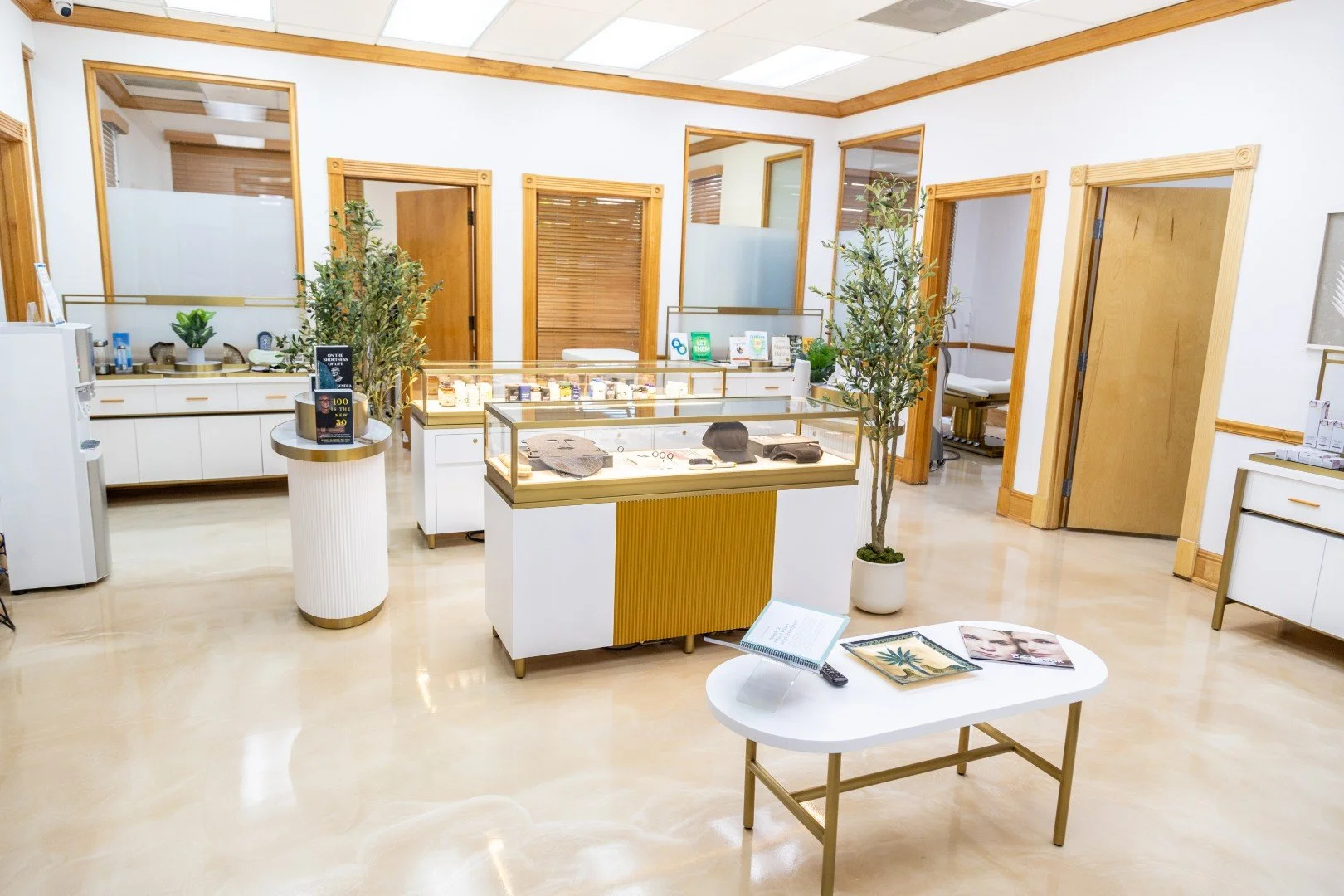
The Quantum Longevity AI clinic in Western New Providence, The Bahamas
What led you to move beyond conventional medicine and embrace a functional medicine approach?
I was trained in the United States beginning in the 1990s as an allopathic practitioner, specifically a pediatric oncologist and molecular biology and genomics medical researcher. During my training, I began to recognize the limitations of what many practitioners refer to as a “sick-care” model—one that often focuses on reacting to symptoms and late-stage disease rather than prioritizing prevention and long-term health optimization. Constraints such as limited appointment time, insurance structures, and research funding often make it difficult to address the root causes of illness or invest meaningfully in prevention.
My perspective of the medical world changed when I experienced a misdiagnosis from the patient side. For seven years, I was treated for what was believed to be Multiple Sclerosis. During that time, I saw multiple specialists each month, underwent frequent MRI scans, and received biologic infusions designed to manage the condition. The treatments were intensive and costly, ultimately totaling approximately $90,000 per year in care. Unfortunately, the therapies suppressed my immune system and left me even sicker than I was to begin with.
I later had my genomics assessed through one of the companies I helped develop, which revealed several important genetic vulnerabilities. With that information, I was able to address the underlying factors affecting my health and ultimately reverse my symptoms. That experience prompted me to take a different path—one focused on developing methodologies that help identify genetic risks earlier and address the root causes of disease. My goal has been to expand access to a prevention-first approach to healthcare through Functional Medicine, emphasizing health optimization rather than simply treating illness. Our clinic in the Bahamas represents the first step in bringing this vision to life, with several additional locations planned in the future.
Could you describe Functional Medicine for someone who might not be familiar with this aspect of medical care?
Functional Medicine is a patient-centered approach to healthcare that focuses on identifying and addressing the root causes of illness rather than just treating symptoms. It views the body as an interconnected system influenced by genetics, environment, lifestyle, diet, and stress, using advanced testing and personalized plans such as nutrition, supplements, and lifestyle changes to restore balance and promote long-term wellness.
Please describe the reasons that someone would book an appointment with Quantum Longevity AI clinic.
Patients visit Quantum Longevity AI clinic for these primary reasons: to enhance general health and wellness and to address chronic illnesses and complex conditions. These motivations align with the clinic's integrated model of AI-aided diagnostics, Functional Medicine, and regenerative therapies under LARTA regulations.
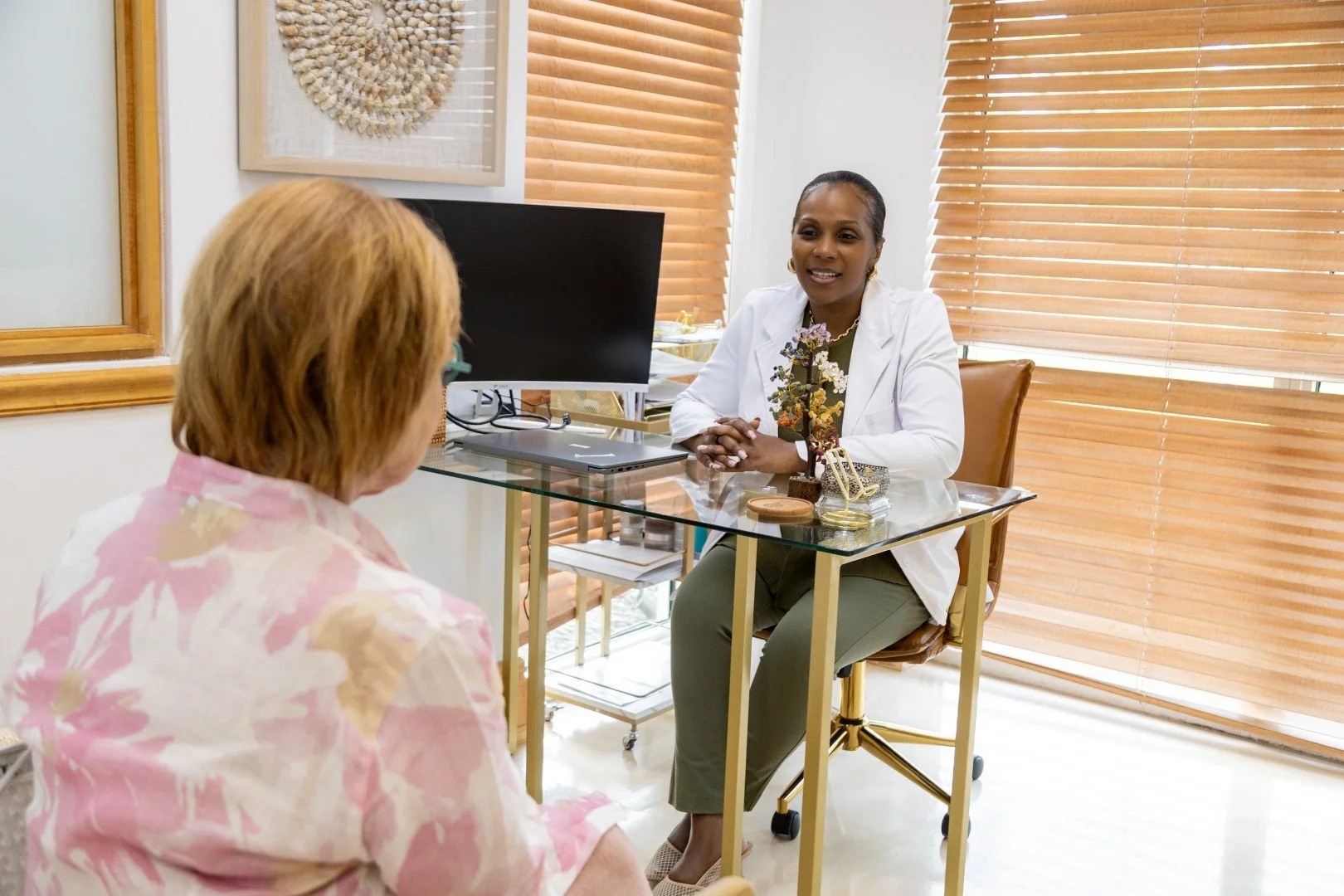
Longevity Optimization
High-achievers and proactive individuals seeking to extend healthspan through preventive strategies like genetic testing, AI risk profiling for age-related diseases, and advanced interventions such as stem cells or metabolic optimization. This focuses on reversing biological aging markers before issues arise.
General Health Enhancement
Quantum Longevity AI is also the first clinic in The Bahamas to offer advanced genomic testing and gene-based therapies as part of its personalized health optimization approach. People experiencing everyday imbalances such as fatigue, stress, sleep disruption, weight fluctuations, or gut concerns come for personalized Functional Medicine plans that restore vitality using nutrition, hormones, and lifestyle tweaks alongside Western care.
Chronic Illness Management
Those living with persistent conditions such as metabolic disorders, hormonal imbalances, or noncommunicable diseases (including diabetes, high blood pressure, and cardiovascular disease) may receive root-cause focused treatments, recovery therapies, and access to clinical trials aimed at improving quality of life and long-term health.
What are some of the more common ailments (or challenging ones) that could be treated utilizing the modalities at the clinic?
In addition to aesthetic and wellness-focused services such as hair restoration treatments and body sculpting offered through the clinic’s state-of-the-art med spa, the clinic also works with patients facing more complex or chronic health conditions, including…
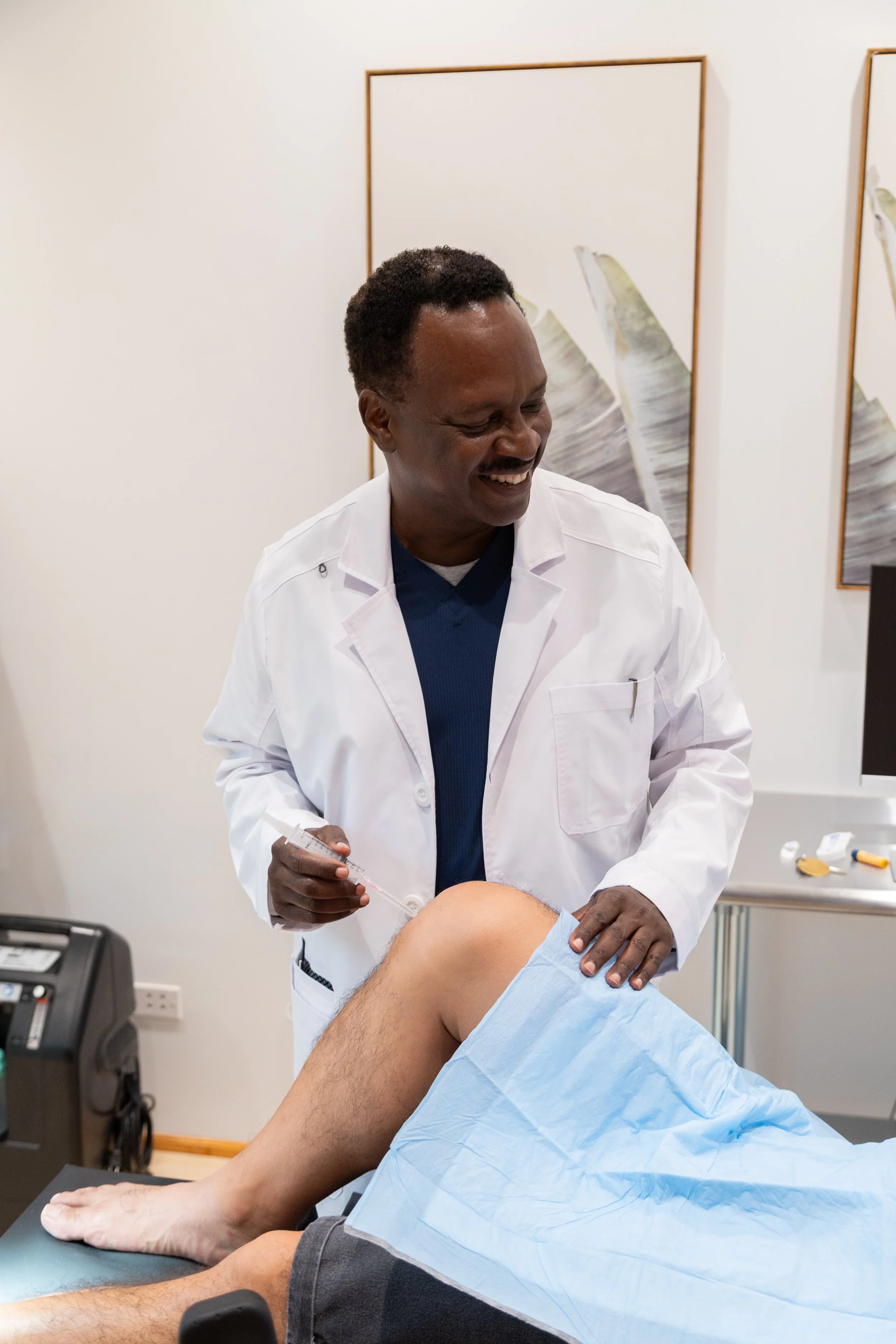
Metabolic and Lifestyle Conditions
Diabetes and obesity (affecting 43.6% of adults), managed with root-cause nutrition, hormone balancing, and AI-guided weight protocols to reverse insulin resistance.
High blood pressure and heart disease, treated via vascular regeneration, stress reduction, and preventive epigenetics.
Neurological and Recovery Issues
Fatigue, sleep disorders, and cognitive decline, with therapies designed to support brain health and neurological resilience, including peptides and regenerative approaches.
Neurodegenerative conditions such as Parkinson’s disease, where treatment plans may focus on improving quality of life, slowing progression, and supporting neurological function.
Stroke recovery and hormonal imbalances, supported through therapies such as oxygen treatments and functional restoration programs.
Gut and Chronic Wellness Challenges
Gut concerns, stress-related imbalances, and autoimmune issues, approached holistically with microbiome testing, supplements, and lifestyle coaching.
Testing for Stage 0 or Stage 1 cancer with TZAR Labs cancer testing, which is exclusive to Quantum Longevity AI in The Bahamas.
———
For international patients traveling to The Bahamas for care, the Quantum Longevity AI clinic is conveniently located just ten minutes from Lynden Pindling International Airport. Nearby accommodations include a range of resorts and boutique hotels—such as Island House, Baha Mar, and Goldwynn—allowing patients to combine their treatment with a restorative stay on the island. The clinic team can also assist with planning aspects of the visit and continues to follow up with patients after they return home.
Several of the clinic’s diagnostic and treatment offerings are not widely available elsewhere, including advanced TZAR laboratory testing and mesenchymal stem cell therapies. The facility also features a number of wellness technologies, including a HOCATT ozone sauna designed to support detoxification, a red light therapy bed used to promote cellular energy and collagen production, and electronic muscle sculpting treatments.
Artificial intelligence is used to analyze the extensive data gathered during testing—often many gigabytes of information—and compile it into a detailed report for each patient. Physicians then review the findings and work with patients to develop personalized protocols for their health journey.
The clinic is supported by a team of functional medicine physicians, including Dr. Danny Johnson, Dr. Sherman Knowles, and Dr. Brunee Dorsett, all of whom have completed advanced training through the Institute for Functional Medicine.
As The Bahamas continues exploring its role in medical research and wellness tourism, initiatives like this clinic suggest that the islands may soon become known not only for their beaches, but also as a destination for preventative health and longevity.
For more information visit Quantum Longevity AI’s website
Read more: